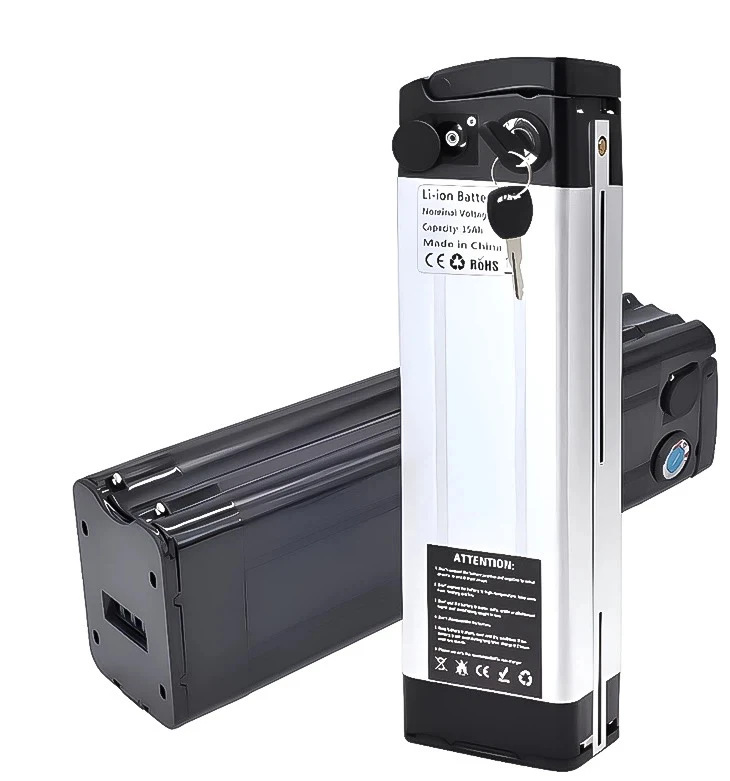
리튬 이온 배터리 가지다 변형된 풍경 의 에너지 저장 및 적분 현대적문화 기술, 동력 모든 것 에서 전자 장치 전기 자동차. 이해 장점 및 단점 의 이들 배터리, 따라 함께 진화 의 리튬이온 배터리 기술, 제공 가치있는 통찰력 그들의 역할 안에 우리 삶.
장점 의 리튬이온 배터리
1. 높음 에너지 밀도
One of the standout features of lithium-ion batteries is their high energy density, which allows them to store a significant amount of energy relative to their size and weight. This characteristic is crucial for modern electronic devices such as smartphones and laptops, which demand longer usage times between charges. For instance, nickel-metal hydride (NiMH) batteries struggle to meet the charging capacity requirements of today's smartphones. By providing greater energy density, lithium-ion batteries ensure that devices can run longer without increasing size, which is essential for consumer convenience.
2. 낮음 자체 방전 속도
다른 유의한 장점 의 리튬이온 기술 이 낮은 자체방전 속도 비교 기타 충전식 배터리 좋아요 니켈-카드뮴 (NiCd) 및 NiMH. 후 충전, 리튬이온 배터리 일반적으로 손실 약 5% 의 그들의 충전 in the 처음 4 시간, 그러나 이후, 이 속도 떨어뜨 to about 1% or 2% per month. this property allows devices to maintain battery life over extended periods without frequent recharging, making them ideal for applications where the the battery may not be used 정기적으로.
3. 유지 보수가 필요 없음 작동
리튬 이온 배터리 많이 유지보수가 필요 없는, which differentiates them from nickel-cadmium batteries that require periodic discharge to prevent the memory effect-a phenomenon that reduces the usable capacity over time. Users of lithium-ion batteries do not have to engage in such maintenance practices, simplifying their operation and increaseing convenience. this lack of required upkeep is a significant benefit for users who want 신뢰성 성능 없음 추가 번거로움.
4. High Voltage Output
각 리튬이온 셀 생성 대략적으로 3.6 볼트, which is 높은 보다 the 표준 출력 of 니켈-카드뮴 (1.2 볼트), 니켈-금속 수소, 또는 일반 납산 배터리 (주변 2 볼트). 이 상승 전압 평균 적은 셀 필요 in 다양한 응용, 이에 의해 단순화 전력 관리. For example, in smartphones, this allows for a compact design with a single battery cell instead of of multiple cells, streamlining the overall design and enhancing energy efficiency.
5. 우수 하중 특성
리튬 이온 배터리 전시 우수 부하 특성, 유지 a 안정 전압 출력 의 3.6 볼트 까지 배터리 거의 고갈. 이 안정성 보장 그것 전자 장치 성능 일관되게, 제공 사용자 포함 신뢰성 작동 통해 배터리's 충전 사이클.
6. 다양성 유형
The 다양성 의 리튬이온 기술 is evident in the 다양성 of 배터리 유형 사용 가능, 각각 suited for different applications. 확실한 유형 제공 높은 전류 밀도, 만들기 them 이상 for consumer electronics, while others are designed for applications requiring higher power output, such as electric tools and vehicles. this variety allows manufacturers and consumers to select the appropriate battery type based on specific 에너지 필요 및 사용량 시나리오.
내 제품군 의 리튬이온 배터리, 여러 배터리 유형 가지고 얻은 두드러짐, 특히 니켈 망간 코발트 (NMC) 및 리튬 철 인산염 (LFP).
- 니켈 망간 코발트 (NMC) % 3a NMC 배터리 결합 이점 의 니켈, 망간, 및 코발트, 달성 a 균형 의 높은 에너지 밀도 및 안정성. 이 만들기 그들 적합한 a 넓은 범위 의 응용, 특히 in 전기 자동차 및 소비자 전자.
- 리튬 철 인산염 (LFP) % 3a 동안 LFP 배터리 may have a lower energy density compared to NMC, they are known for their safety and thermal stability, which is critical in applications where overheating could be a concern, such as in electric buses and energy storage systems.
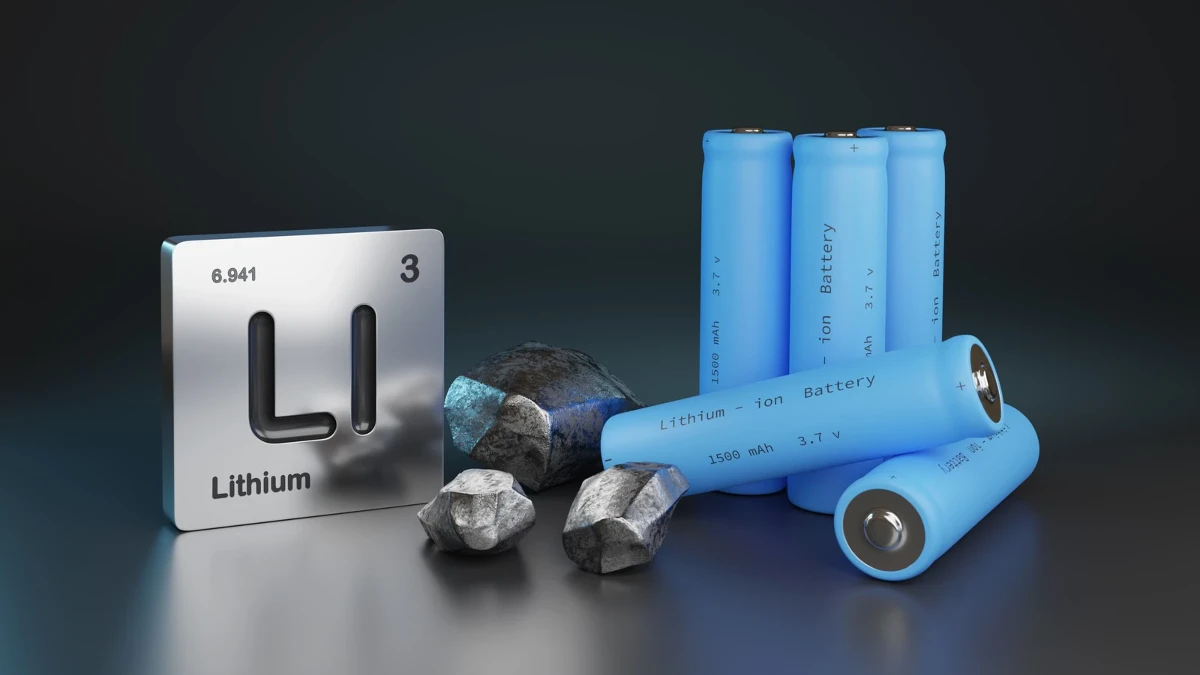
단점 의 리튬이온 배터리
1. 필요 배터리 관리 시스템
그럼에도 불구하고 그들의 장점, 리튬 이온 배터리 필요 배터리 관리 시스템 (BMS) to monitor their 성능 및 보장 안전. these systems prevent 과충전, 과방전, and 과도 온도 변동, which can damage the battery. The 필요성 for protective circuits adds complexity to device design, as manufacturers must integrate these systems to maintain optimal battery performance and safety.
2. 노화 및 주기 생명
A 주목할 만한 단점 의 리튬이온 배터리 is their 노화 과정. 초과 시간 및 포함 반복 충전-방전 사이클, the 배터리's 용량 점차적으로 감소, 일반적으로 이후 약 500 to 1000 사이클. 이 의미 that, despite advancements in technology, users may find yourself needing to replace batteries after a certain period, particularly if the batteries are Embedded in devices, complicating the replacement process.
3. 교통 제한 사항
Lithium-ion batteries have also raised concerns regarding transportation. Due to their potential fire hazards, many airlines impose restrictions on the number of lithium-ion batteries passengers can carry. This limitation can be a significant inconvenience, especially for travelers who rely on these batteries for portable electronics, and it can complicate logistics for businesses shipping products containing lithium-ion batteries.
4. 높음 비용
비용 의 리튬이온 배터리 이다 다른 임계 계수. 그들 일반적으로 비용 약 40% 더 to 생산 보다 니켈-카드뮴 배터리. 이 높은 제조 원가 할 수있을 감소 일부 제조업체 에서 사용 그들을 예산에 민감한 응용률, as every 추가 비용 영향 수익성 in 대규모 생산.
5. 개발 기술
마지막으로 , while lithium-ion technology has been around for sever decades, some view it as still being in a developing phase. this perception stems from ongoing research and innovations aimed at improving battery performance, safety, and sustainability. Debody this can be seen as a Drawback, it Also presents opportunities for advancements, suggesting that the technology could could to evolve and yield better solutions in the 미래.
In summary, while lithium-ion batteries offer a multitude of advantages that have made them a preferred choice across various applications, they also come with challenges that require careful consideration in their use and implementation. Understanding both the pros and cons is essential for making informed decisions in technology design and consumer usage.
과거 및 개발 의 리튬이온 기술
The development of lithium-ion technology began in the 1970s with key breakthroughs, notably John Goodenough's discovery of lithium cobalt oxide in 1976, which significantly enhanced energy density. This culminated in 1991 when Sony commercialized the first lithium-ion battery, revolutionizing consumer electronics with its lightweight and powerful design. As usage expanded, concerns over safety and performance arose, prompting advancements in battery management systems in the 2000s to monitor temperature and voltage. The rise of electric vehicles in the 2010s spurred further innovations, including the development of Nickel Manganese Cobalt (NMC) and Lithium Iron Phosphate (LFP) technologies, which balanced efficiency with safety. In recent years, there has been a growing focus on sustainability, with research into recycling methods and the exploration of solid-state batteries, promising improved safety and energy density. Overall, the evolution of lithium-ion technology reflects a continuous effort to enhance its advantages while addressing inherent challenges.
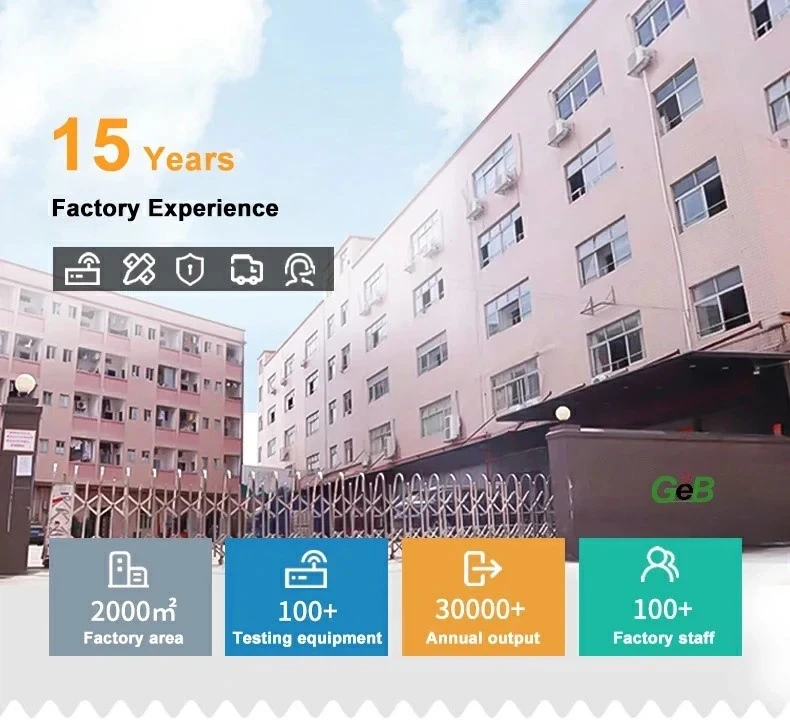
찾고 for a 고품질 리튬 철 인산염 배터리 제조업체
In the lithium battery family, the most widely used in the field of power storage are ternary batteries (NCM or NCA) and lithium iron phosphate batteries (LFP). Due to their high energy density, ternary batteries are Usually used in the Automotive market, and Lithium Iron Phosphate Batteries are far better than ternary batteries in terms of safety and cost advantages. 일반 전자 배터리 focuses on the research and development of high-end safe lithium batteries, and adheres to the technical route of lithium iron phosphate batteries, which has never changed. There has never been a safety accident caused by our batteries, and we have won the reputation of domestic and foreign customers. Choosing GEB is to choose a safe lithium battery.
핫 제품
48v 10ah Lithium Ion Battery For Electric Bike
이 배터리 제공 탁월한 수명 a 사이클 수명 의 최대 1,000} 사이클, 보장 연장 사용. 내장 포함 삼원 리튬이온 셀, 그것 제공 신뢰성 성능 및 효율적인 충전 최대 연속 전류 5A. 계량 만 3,000g, it 제공 전원 없음 불필요한 부피, 만들기 IT 이상 48V 전기 자전거. 지원 by a 1-년 보증, IT 보증 지원 당신의 투자. 추가, IT 작동 효율적으로 가로 a 넓게 온도 범위 (-20} 정도 60 정도 방전 및 0 정도 45 정도 충전용) 및 IS MSDS 인증 안전 및 신뢰성.